Walking Through Time: 3 Cities Where Ancient Architecture Still Breathes

There’s a moment when you stand in front of an ancient wall, run your fingers across the grooves carved centuries ago, and feel history humming beneath your skin. I’ve had the privilege of visiting three cities where that feeling is impossible to ignore — places where ancient architecture isn’t locked behind glass, but alive in the streets, the markets, and even the air.
1. Rome, Italy — The Eternal City’s Stone Giants
I visited Rome in the winter of 2013, just before Christmas, when the city had that extra sparkle in the air. I stayed in a tiny boutique hotel inside Vatican City, a place with its own story — it had once hosted priests and religious figures, and it still felt quietly sacred. The visit was short, less than 24 hours, so I arrived in the evening, dropped my luggage, and went straight out to see Rome at night.
The city was glowing. The squares were dressed in festive lights, the fountains shimmered in the cold air, and even the marble statues seemed to shine a little brighter. I wandered through cobbled streets, past lit-up facades that looked like theatre backdrops, and tried to take it all in before morning.
The next day was entirely devoted to the Vatican Museum complex. I moved from one gallery to another, camera in hand, almost overwhelmed by the sheer amount of art, history, and detail.
The Sistine Chapel was the quietest moment — all eyes tilted upward, absorbing Michelangelo’s ceiling. I left with a memory card full of amazing shots and the sense that, even in a whirlwind day, Rome had found a way to leave its mark.
What to See în Rome? The details. In Rome, the grand structures will impress you instantly, but the magic is in the carvings, the worn marble steps, and the way sunlight filters through ancient arches.
- The Colosseum: Standing before it is like meeting a celebrity from history — except bigger and with a thousand stories to tell.
- The Roman Forum: A sprawling field of ruins where every column seems to whisper old political secrets.
- Vatican Museum: a labyrinth of galleries, courtyards, and halls where centuries of art and history unfold, leading to the breathtaking finale of the Sistine Chapel.

Athens, Greece — Stone Stories Under the Sun
I visited Athens in the winter of 2013, near Christmas time. The city was already dressed for the holidays, lights strung across busy squares and winding alleys, the air carrying the scent of strong coffee and roasted chestnuts. But my first stop was the one place I’d been dreaming about since childhood — the Acropolis.
I had the luck of visiting during a cloudy sunset, when the light turned dramatic. The Parthenon glowed faintly gold against a shifting sky, while the city below was bathed in a warm, almost unreal sunlight. From the hilltop, the view stretched in every direction — white buildings cascading down the slopes, mountains framing the horizon, and the Aegean glinting in the distance. I took my time, circling the ruins, watching how the clouds and light played across the ancient stone.
Later, I wandered through Athens by night. The streets were alive — holiday lights above, twisty alleyways filled with cafés and tiny shops below. The colours were everywhere: painted doors, bright tiles, and yes, even the graffiti that seemed to claim every spare wall. It was messy, beautiful, and loud — a city that didn’t seem to care whether you were ready for it or not.
What to see in Greece? The way Athens blends the ancient with the modern. Cafés spill out onto streets that lead straight to ruins, and graffiti shares space with marble columns.
- The Acropolis: Crowned by the Parthenon, it dominates the skyline like a watchful guardian.
- Ancient Agora: Once the heartbeat of public life, where Socrates himself may have wandered.
- Temple of Hephaestus: Often overshadowed by the Parthenon, but one of the best-preserved temples in Greece.

3. Cairo, Egypt — The Gateway to the Ancient World
Cairo is where I was born, though my roots are elsewhere. I have relatives here and have visited more times than I can count. The area near the pyramids wasn’t entirely safe then, when I visited the city, so getting up close wasn’t possible. Still, from my hotel on the Nile, the view stretched far enough to catch a hazy outline of history in the distance.
The Nile itself became my backdrop for this visit. From my hotel balcony, I watched the city’s central district spread out along the riverbanks — tall hotels, busy streets, and boats sliding slowly through the water. Some days were wrapped in fog, softening the skyline and making the buildings look almost like faded paintings. In the evenings, I’d sit at waterfront cafés, sipping tea while the lights reflected off the river like scattered gold.
I also drove out to see some of Cairo’s newer developments on the city’s edge — wide streets, modern architecture, and a very different pace of life compared to the crowded core. But no matter where I went, Cairo still felt like Cairo: layered, restless, and endlessly photogenic.
In Egypt you should look for the contrasts. Cairo is loud, busy, and modern — but turn a corner and you might find yourself face to face with something built before the idea of “cities” even existed.
- The Pyramids of Giza: Nothing prepares you for seeing them in person — they rise from the desert like giants frozen in time.
- The Sphinx: Guarding the pyramids with a mysterious half-smile that has lasted millennia.
- The Egyptian Museum: A treasure chest of artefacts, from golden masks to everyday tools used thousands of years ago.

Rome, Athens, and Cairo are more than just cities with ancient architecture. They’re living museums, where history is not just told, but felt. Each place offered me a different way to step back in time — Rome with its grandeur, Athens with its philosophy, and Cairo with its timeless devotion to the afterlife.
If you go, don’t just take pictures. Stand still. Listen. Let the stones speak!
Travel Smarter, Enjoy More: My Little Tricks & Travel Philosophy

When it comes to traveling, I’ve learned that the real joy isn’t just in the destination—it’s in how you plan and experience the journey. Over the years, I’ve picked up some habits and philosophies that make every trip smoother, richer, and way more enjoyable. Think of this as my personal travel playbook—less about “bucket list hacks” and more about traveling with intention.
1. Avoiding Popular Destinations at Popular Times

Let’s be honest—some cities are magical, but not when they’re overcrowded. Take Barcelona, for example. At peak season, it feels like half the planet has descended on the city attractions. Prices skyrocket, queues are endless, and you’re elbow-to-elbow everywhere you go.
So, I flip the script. Instead of summer, I visit in the fall or winter. The vibe is calmer, the streets feel more authentic, and often the locals have more time to actually chat. Plus, you save a good chunk of money on flights and hotels.
2. Do a Little Detective Work Before Booking

Choosing a hotel isn’t just about star ratings. I like to “walk” the street on Google Maps before I commit. Is it a quiet, walkable area? Are there cozy cafés nearby? Or is it across from a noisy gas station or repair shop? That little bit of research saves me from disappointment—and sometimes leads me to hidden gems in more charming neighborhoods.
3. Match the Destination to the Season

I never just pick a place blindly—I always think about timing. For instance, the colorful trees shown here from Smokey Mountain National Park in the US are best caught during the fall season, when the weather is also just right. In the middle of summer the would be no such colors and just muggy humidity!
It’s the same everywhere—whether it’s South Africa in spring or Europe in the shoulder seasons, I match my trips to when the weather (and the crowds) will make it enjoyable, not stressful.
4. One-Way Flights Over Round Trips

Round trips feel limiting to me. Why go back the same way when you can make a loop and see more places? If I’m flying to Asia, I’ll land in one city, explore two or three more, and fly home from the last stop. That way, every flight is moving me forward, not backward. It saves both time and money—and it feels like the trip flows naturally. This also helps me reduce the total number of flight sectors, given how much flights are a pain lately with all the airport traffic etc!
5. Flight Timing Matters More Than Price

Here’s a rule I swear by: if a flight ruins my sleep or wastes a day, I skip it. A red-eye that gets me in at 3 a.m.? No thanks. A budget airline that nickel-and-dimes my baggage and comfort? Pass.
I’d rather pay a bit more for a decent airline at a decent time. Arriving well-rested means I actually enjoy the destination instead of stumbling around exhausted.
6. Always Allow for Rest Days
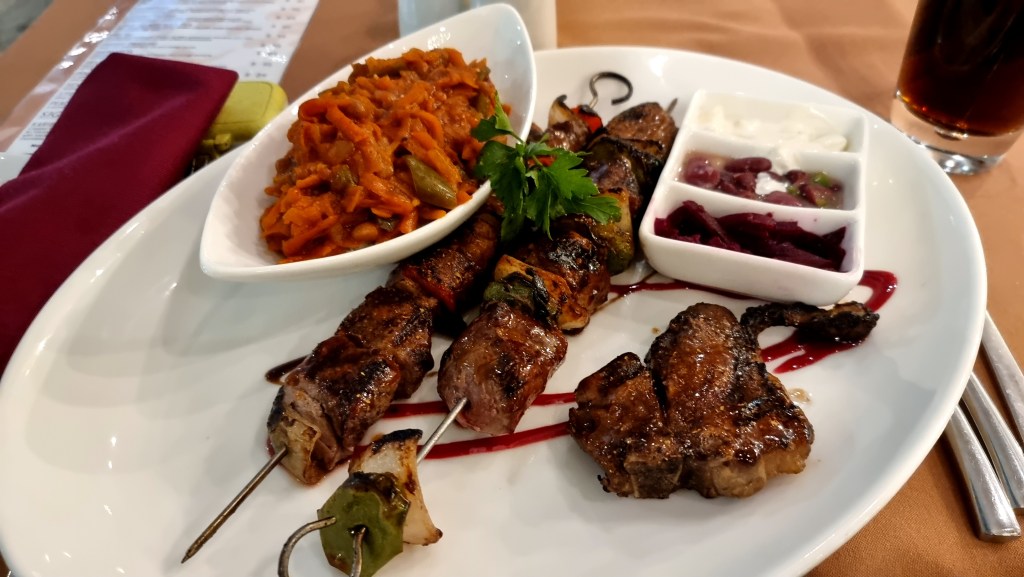
This one’s big. If I land somewhere in the evening, I don’t make any plans that night. That first evening is just my “entry”—settling in, maybe grabbing dinner, and sleeping early. By the next morning, I’m refreshed and ready to explore instead of dragging myself around.
Final Thoughts
Travel isn’t about ticking boxes—it’s about enjoying yourself. For me, that means slowing down, planning wisely, and saying no to things that would drain the joy out of the experience.
Avoid the rush. Travel with the seasons. Take flights that make sense. And don’t forget to rest. Do that, and every trip feels less like a marathon and more like a beautifully paced adventure.
So You Want to Be a Digital Nomad?
Notes from a Life in Motion
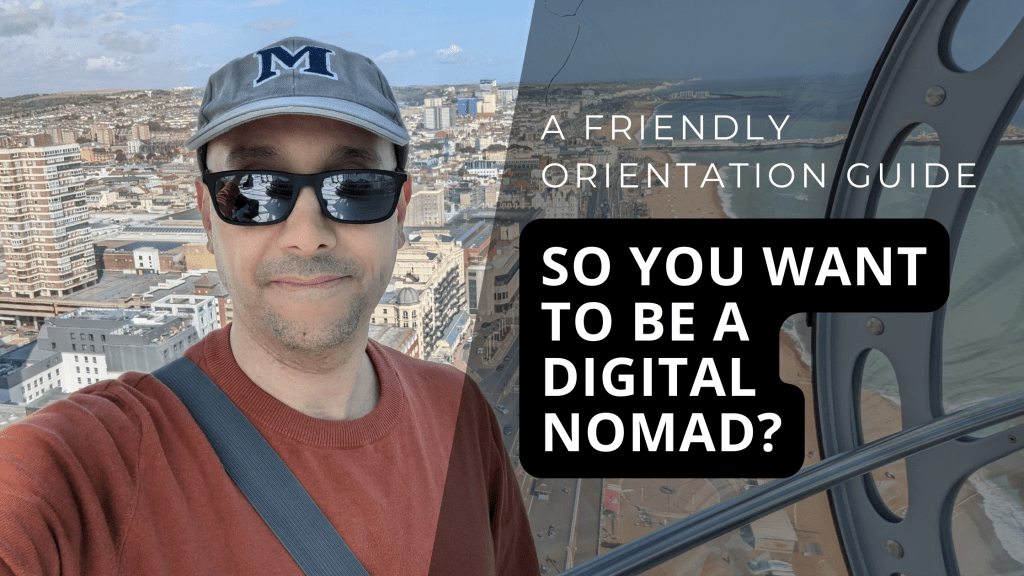
Hey there, traveler.
If you’re reading this, maybe you’ve felt it too — that quiet restlessness, that tug somewhere inside that whispers, “There’s more out there.”
For me, being a digital nomad was never about moving to one country for months or “starting a new life abroad.” It’s about movement itself — spending two or three weeks in a place, getting to know its rhythm, its coffee, its streets, and then moving on when it’s time.
It’s about collecting moments, not roots.
For the past decade, I’ve been chasing work and wonder around the world. I’ve typed on balconies in Lisbon, edited photos on night trains through Japan, and held Zoom calls in mountain towns where the Wi-Fi barely held but the view made up for it.
People often imagine that digital nomads have one big move — they “relocate” somewhere tropical or European and stay for a while. My version is lighter. I travel in short chapters: two or three weeks here, a few there. Long enough to connect, but short enough to stay curious.
Every new place resets me — new light, new food, new ways of seeing.
Not a Guide — Just a Way of Living
I used to write like a journalist, full of facts and lists and practical advice. Old habits die hard. But the truth is, this life doesn’t need a manual — it’s more like an ongoing conversation between you and the world.
You learn that the café with the slowest Wi-Fi sometimes gives you the best ideas. That the city that wasn’t even on your list ends up staying in your heart. That “routine” can mean something different every week.
For me, it’s not about having a home base or chasing stability — it’s about being open to constant change and trusting that you can find your rhythm anywhere.
The Real Work Happens in Motion
I still work full-time. My laptop is my anchor. But my surroundings — the people I meet, the streets I walk, the sounds outside the window — they all feed the creative process.
Some days it’s a beach town in Portugal; others it’s a cold morning in Seoul. Each place leaves a mark, even if I only stay a couple of weeks.
Being a nomad isn’t about escaping life — it’s about expanding it.
The Beauty of Light Luggage
When you move often, you stop needing much. A few clothes, a good pair of shoes, a camera, and the willingness to start conversations with strangers. That’s it.
You learn that home isn’t a fixed point — it’s a feeling you create, over and over again.
Field Notes from the Road (Globalistas Edition)
Along the way, I’ve gathered voices from fellow travelers in my book, Globalistas (you can download it from here) – not rules, just echoes that make the journey richer. Think of these as postcards slipped between pages:
- Dark rooms, bright mornings. Pillows are tiny miracles. Hotels love curtain gaps — stack pillows to seal the light, and even tame a direct AC blast. Sleep is a superpower on the move.
- Travel off-peak. Fewer queues, kinder prices, clearer headspace. Sometimes the magic is just… less noise.
- Take the side street. “Lower your expectations — the surprise will be greater.” There’s usually a secret garden behind the door everyone walks past.
- Pack like you mean it. Light luggage, heavy curiosity. A small first-aid kit, a universal adapter, copies of documents. Freedom loves preparedness.
- Learn the vibe. A few local phrases. A gesture that means “thank you” here and something else there. The city softens when you try.
- Open heart, open table. Talk to your seatmate. Ask the barista where they actually go. Put your phone down long enough to hear the room breathe.
- Be your own logistics manager. A little planning buys you a lot of presence. Book that ticket ahead when it matters; leave the afternoon loose for whatever finds you.
- Love is the method. Love the people (even when they don’t mirror it back), love your choices, love the mess. It’s your story.
These aren’t instructions. They’re textures. They turn a place into a memory you can hold.
Always Becoming
This life isn’t for everyone, and that’s okay. It’s not about quitting your job or selling everything you own. It’s about curiosity. About seeing how far your work — and your heart — can travel.
If you’ve ever wondered what it’s like to live lightly, to create from anywhere, to let the world shape you — maybe it’s time to try.
Not forever. Just for a few weeks.
That’s how it starts.
10 Tips to Travel Safely While Traveling Solo
Traveling solo can be one of the most rewarding and empowering experiences. It gives you the freedom to design your journey exactly as you wish, follow your curiosity, and grow through new encounters and challenges.
However, staying safe requires intention and awareness. Solo travel is not about being fearful, but about being informed and prepared so that you can enjoy your trip with confidence. The following ten tips will help you stay safe, grounded, and fully present while exploring the world on your own.
I’m passionate about exploring the world, and to date I’ve visited 96 countries, 47 U.S. states, and lived in seven different cities.
Travel has shaped my life and worldview more than anything else. It expands your perspective, humbles you, and increases your tolerance for diversity, change, and the unknown. And that’s exactly why I want to share some of the safety tips I’ve picked up over the years.
1. Do Your Research Before You Go
Preparation is one of the best ways to stay safe when traveling solo. Before your trip, take a little time to learn about your destination beyond what you see on social media. Get familiar with local customs, how people dress, which areas are safe, and how to get around.
A bit of research goes a long way. It helps you feel more confident, avoid awkward or unsafe situations, and settle in more quickly once you arrive. Checking recent traveler reviews, local news, or official travel advice can also give you a clearer picture of what to expect. The more you know upfront, the more relaxed and comfortable your trip will feel.
2. Share Your Plans with Someone You Trust
When traveling with others, people naturally keep track of each other. When you are alone, no one knows where you are unless you tell them.
Share your travel itinerary, flight information, and accommodation details with a trusted friend or family member. Check in occasionally, especially when moving cities or taking long-distance transport.
This habit gives both you and those who care about you peace of mind. It is a simple safety net that ensures someone can help or raise the alarm if anything unexpected happens.
3. Arrive During the Day
Arriving in a new destination in daylight makes the first impression and transition much smoother. You can evaluate the neighborhood around your accommodation, observe how people move around, and get a sense of the area with more clarity.
During the day, it is easier to arrange transportation, find your hotel or guesthouse, and ask for assistance if needed. Night arrivals can increase feelings of vulnerability, especially if you are unfamiliar with the language or local transport system. A daytime arrival sets a calm, confident start to your trip.

4. Choose Safe Accommodation
Your accommodation should be a place where you feel secure. When researching places to stay, look for recent reviews rather than relying on outdated ones. Pay attention to what guests say about safety, the location, and how responsive the staff are.
Prioritize accommodations that have good lighting, secure access, and ideally a reception or security presence. Once checked in, keep your valuables in the room safe or in a hidden place that is not obvious. Feeling safe where you sleep allows you to rest well, which is essential for staying alert during your trip.
5. Keep Valuables Close and Minimal
One of the easiest ways to stay safe is to carry only what you truly need. When out for the day, take just one bank card, a small amount of cash, and a copy of your ID instead of your passport. Use a crossbody bag that closes securely and keep it in front of you rather than behind you. Avoid displaying expensive items like jewelry or high-end gadgets. Reducing what you carry lowers the risk of loss or theft, and if something does go missing, the damage is limited.

6. Trust Your Instincts
Your intuition is one of the most reliable safety tools you have. If a situation, street, person, or environment feels uncomfortable, remove yourself from it. Many travelers, especially those who solo travel frequently, develop strong instincts because they pay closer attention to their surroundings.
You do not need to justify the feeling. If something feels wrong, it is reason enough to leave, change direction, or decline an invitation. Trusting your instincts builds self-confidence, which is a key part of solo travel safety.
7. Stay Sober and Alert
Part of the excitement of travel is enjoying new experiences, food, nightlife, and social environments. However, being aware of your surroundings is essential when traveling alone. If you choose to drink, do so responsibly.
So, keep an eye on your drink at all times.
Know your limits, and think ahead about how you will return safely to your accommodation at night. Being in control of your judgment allows you to make better decisions and recognize potential risks early. Enjoy yourself, but stay mindful.

8. Blend In with the Locals
The more you blend in, the less attention you attract. Dressing in a way that reflects the local culture helps you avoid standing out as a tourist. Observe how locals dress and adapt where appropriate. Walk with purpose and confidence, even if you are unsure. You can always step into a shop or café to re-check directions discreetly.
Avoid constantly checking maps or your phone while on the street, as this signals unfamiliarity. Blending in makes your presence less noticeable and helps you feel more comfortable in your surroundings.
9. Use Technology Wisely
Technology can make solo travel significantly safer when used thoughtfully. Download maps that work offline so you are not dependent on a mobile signal. Use location-sharing functions with someone you trust, particularly when taking long journeys or going out at night.
Protect your personal information by avoiding sensitive transactions on public Wi-Fi unless you are using a VPN. Technology should support your safety, not compromise it, so take advantage of tools that make navigation and communication easier and more secure.
10. Keep a Backup Plan
Even the most organized trips can take unexpected turns. Keeping a backup plan reduces stress when things do not go as planned. Carry copies of important documents such as your passport, identification, and insurance details, both digitally and in print.
Store some emergency cash separate from your wallet in another secure place. Having the contact details of your country’s embassy or consulate can be helpful in case of an emergency. Backup plans are not a sign of worry, but of readiness. They allow you to stay calm and handle challenges effectively.
You must be logged in to post a comment.